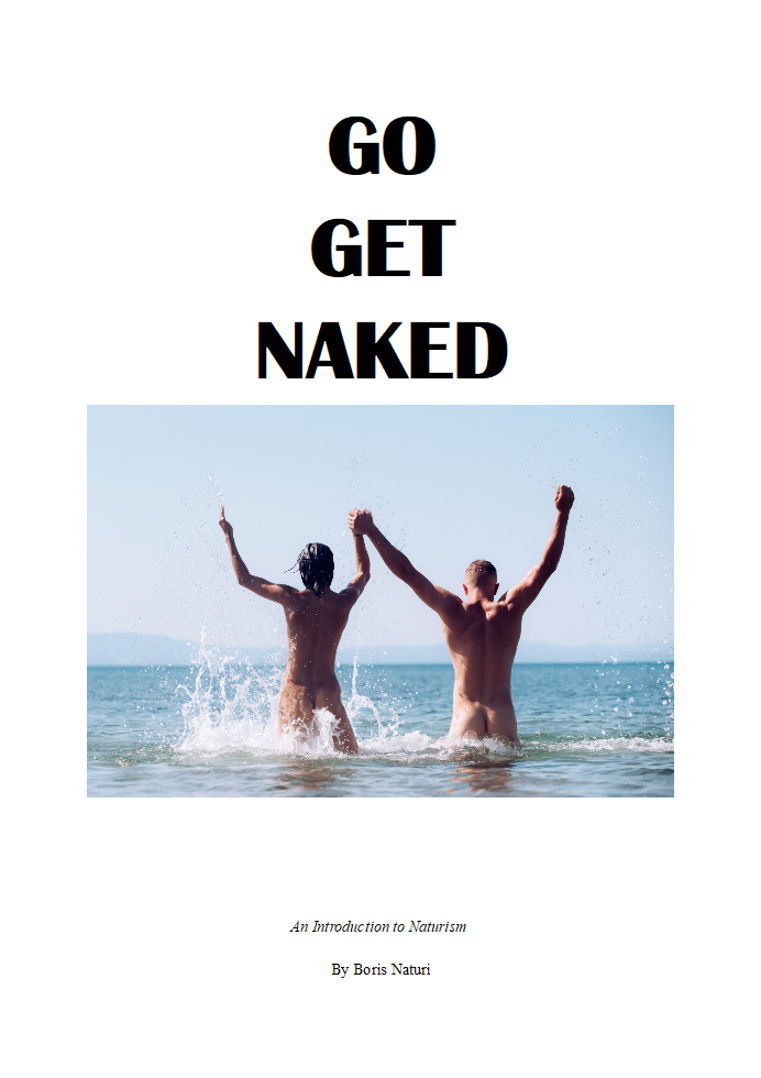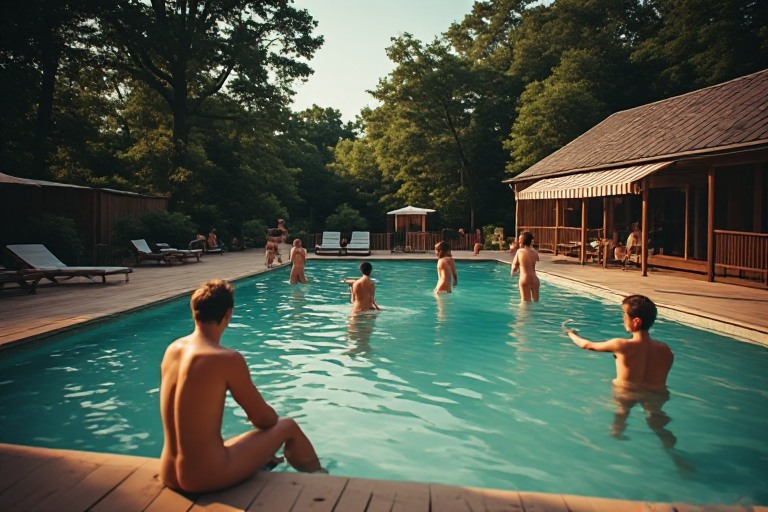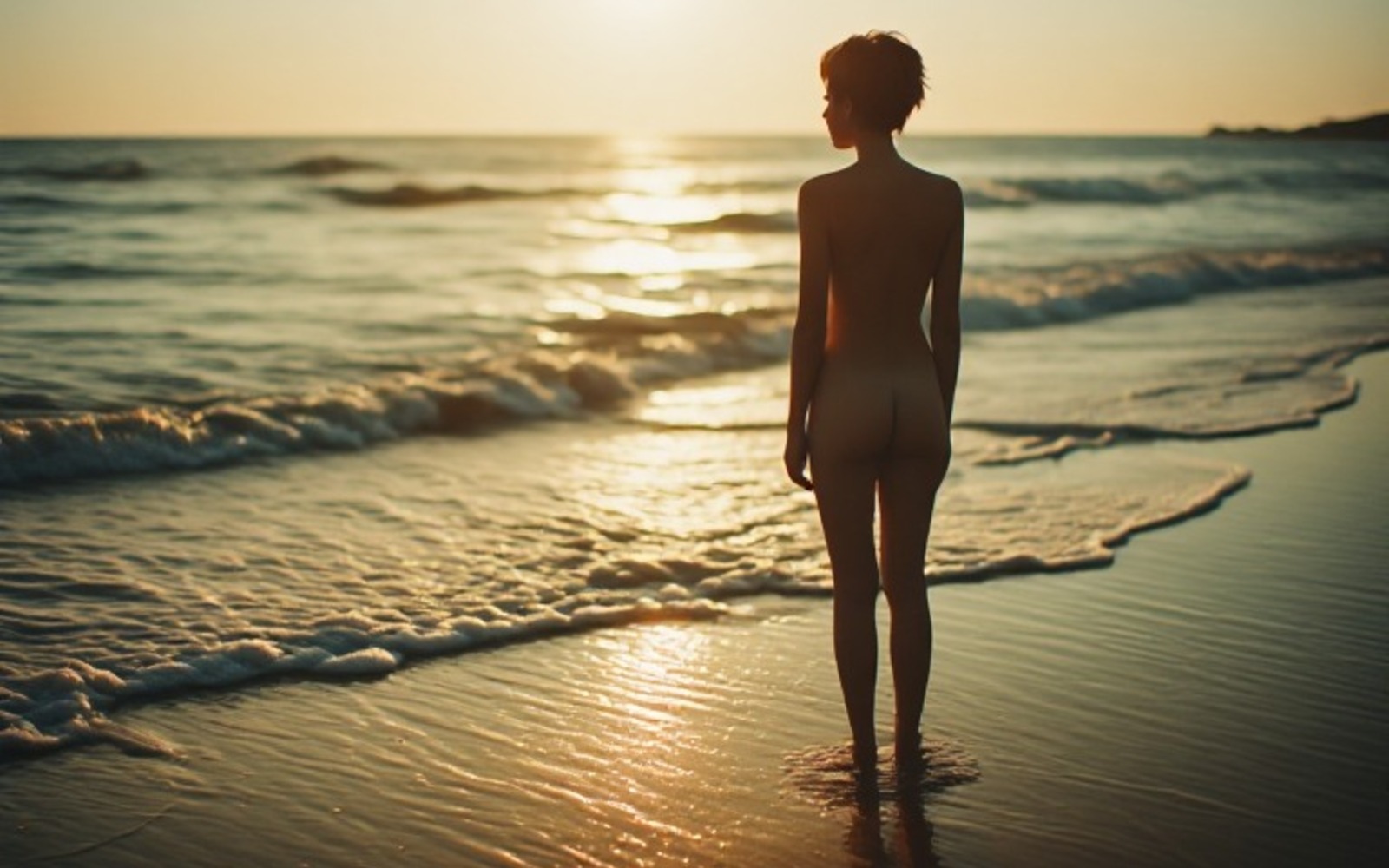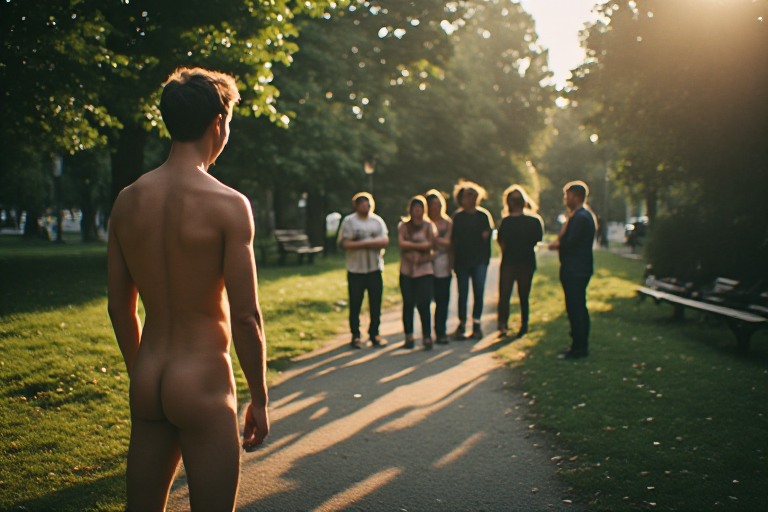
Naturism is, at its simplest, the practice of being nude among other people in appropriate, non-sexual settings — beaches, clubs, private land, swims, walks, saunas — as a normal and comfortable way of living, rather than as a performance or a statement. In the UK, naturism has a longer and more organised history than most people realise: dedicated naturist beaches, member clubs and holiday parks have existed for the better part of a century, quietly, without much fuss.
The word matters more than it might seem. Naturism describes a philosophy as much as an activity: the idea that the human body, unclothed, is not something shameful to be hidden by default. Nudism, a closely related term, tends to describe the practice itself — simply being nude — without necessarily carrying the same wider outlook. In everyday UK usage the two are often used interchangeably, and neither term has anything to do with sex.
What naturism is not
This is usually the more useful place to start, because most hesitation about naturism comes from assumptions that don’t hold up. Naturism is not exhibitionism — deliberately seeking to shock or expose yourself to people who haven’t consented to see it. It is not swinging, and naturist venues in the UK are typically very clear that sexual behaviour is not tolerated. And it is not, contrary to a lot of lazy media shorthand, an excuse for anything at all: most naturist spaces are, if anything, more strictly behaved than a normal beach or leisure centre, precisely because everyone there has an interest in keeping it that way.
Who actually does this
The honest answer is: an unremarkable cross-section of people. Families with children, retired couples, young professionals, solo walkers, people managing body image issues after illness or surgery, and plenty of people who simply find clothing uncomfortable in summer. British Naturism, the UK’s national naturist organisation, has tens of thousands of members, and that’s before counting the much larger number of people who naturist informally — skinny-dipping on a quiet stretch of coast, sunbathing nude in their own garden, or visiting a naturist beach once or twice a year without ever joining anything.
Why people try it
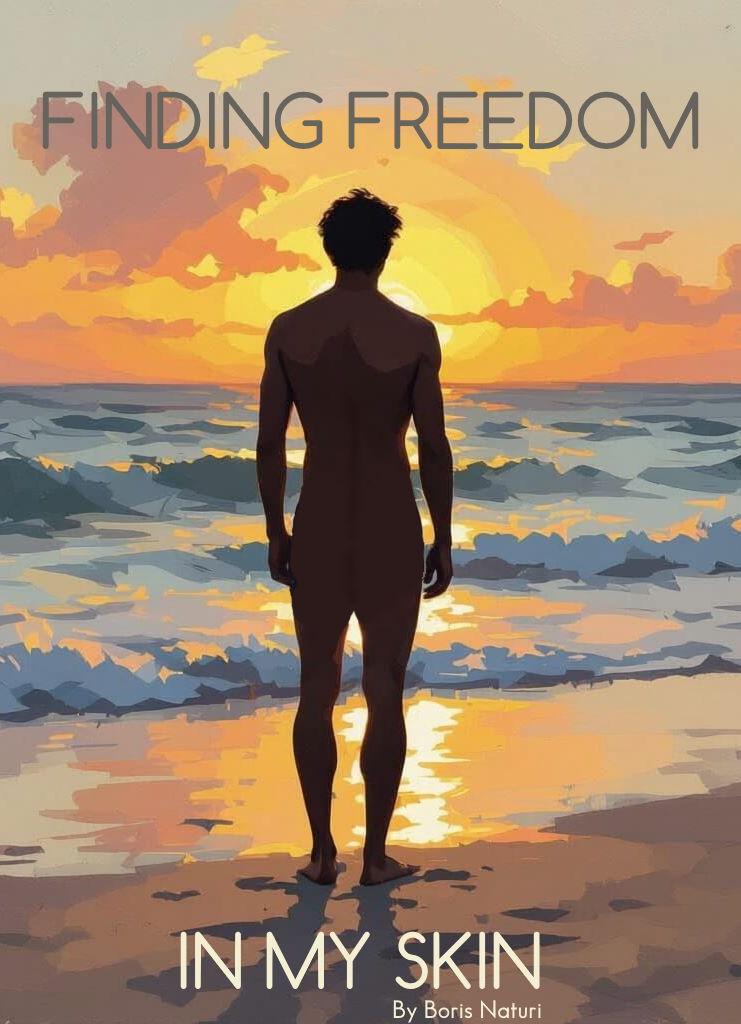
Reasons vary, but a few come up again and again: a wish to stop performing a body for other people’s approval, a simple physical comfort (no tan lines, no wet swimwear, no waistbands), a sense of equality that clothing status symbols quietly undermine, and — for many — a straightforward pleasure in sun and water on skin that isn’t otherwise available. Boris Naturi writes about his own route into it, from secret childhood swims to his first nervous steps onto a naturist beach, in Finding Freedom – In My Skin, and it’s a useful account precisely because it doesn’t dress the nervousness up as anything more dramatic than it was.
How to actually try it, if you’re curious
Start somewhere low-stakes. A recognised naturist beach on a quiet weekday, rather than a club, is usually the gentlest introduction — you can arrive, undress, and leave entirely on your own terms, with no membership, no conversation required, and no expectation you’ll do it again. Our guide to UK naturist beaches and our full beginner’s guide cover the practical questions — what to bring, what’s normal, what isn’t — in more detail.